The Best Ways to Preserve Your Valentine’s Day Bouquet
SEO Team · 6 min read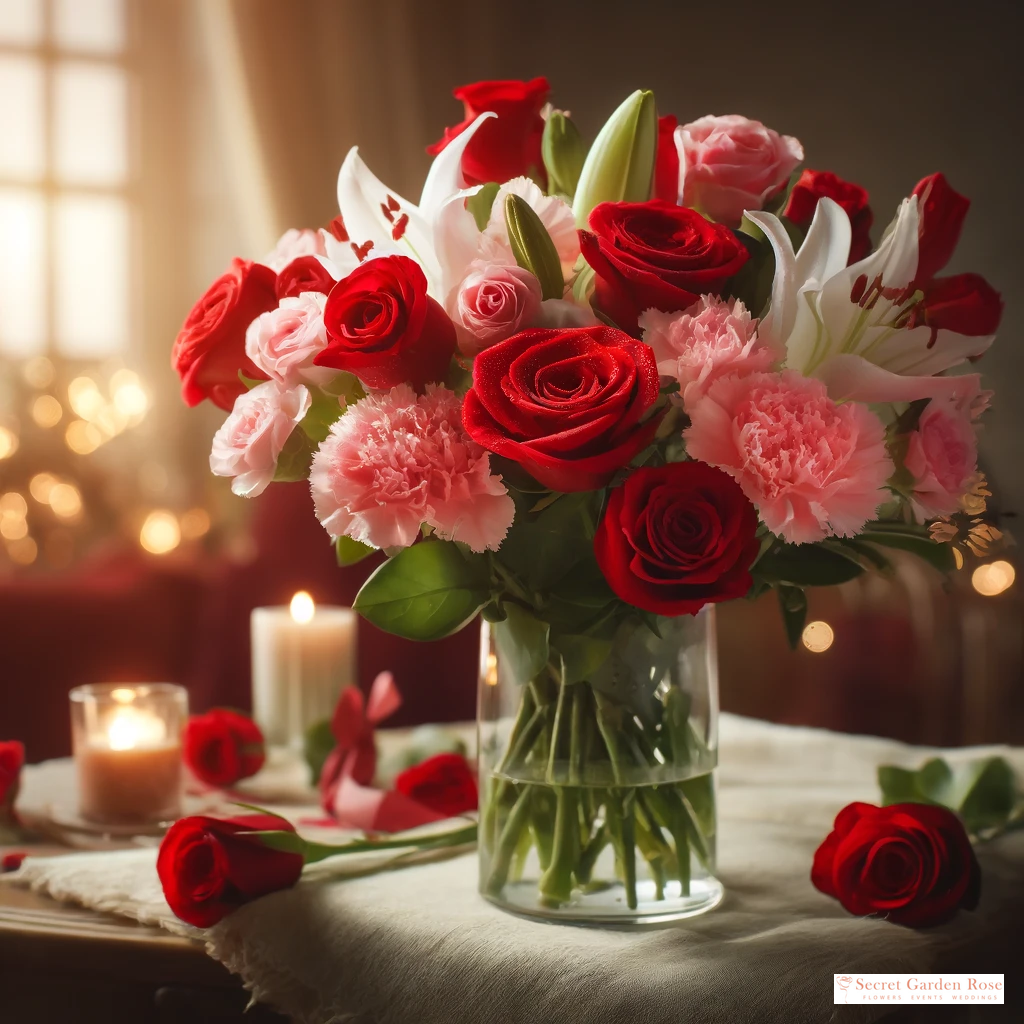
Keep your Valentine’s Day bouquet looking as stunning as the day it arrived! From choosing the right type of flower to using flower food effectively, we’ll share the best tips to keep fresh flowers vibrant. Preserve your favorite flowers and enjoy your bouquet of flowers longer with these simple tricks.
How to Make Your Valentine’s Day Bouquet Last Longer
Have you ever received a beautiful bouquet on Valentine’s Day, only to watch it wilt and fade within days? Don’t you wish there was a way to keep those stunning blooms alive and vibrant just a little longer?
Valentine’s Day is a celebration of love, and what better way to express that affection than with a gorgeous arrangement of flowers? While receiving a bouquet can bring immense joy, the fleeting nature of fresh flowers often leaves us feeling disappointed. The sad truth is that many don’t know how to properly care for their flowers, leading to a short-lived display of beauty.
If you want to make your Valentine’s Day bouquet last well beyond the holiday, it’s essential to know a few tips and tricks for proper flower care. With just a little attention and the right techniques, you can enjoy the beauty of your flowers for days, or even weeks! In this article, we’ll explore the best ways to preserve your Valentine’s Day bouquet and give those lovely blooms the chance to shine brightly, just like your love.
Best Practices for Storing Your Valentine’s Day Flowers
Keep your Valentine’s Day flowers looking their best with simple storage tips that maximize their freshness. From proper hydration to ideal placement, these best practices will help your bouquet stay vibrant and beautiful longer.
Here are the best practices for storing your Valentine’s Day flowers:
1. Choose the Right Location
Placement matters when it comes to floral longevity. Keep your bouquet in a cool, shaded area away from direct sunlight, heat sources, and drafty spots. A temperature-controlled environment will help prevent wilting and discoloration, ensuring your flowers stay fresh for longer.
2. Trim the Stems
Just like any living organism, flowers need access to hydration. When you bring your bouquet home, trim the stems at a 45-degree angle using sharp scissors or shears. This allows for better water absorption. Don’t forget to remove any leaves that may fall below the waterline, as these can encourage bacterial growth and shorten the life of your blooms.
3. Use Clean Water
Fill a clean vase with cool water and add the flower food that typically comes with your bouquet. This specially formulated solution provides nutrients essential for your flowers, prolonging their lifespan. Make sure to change the water every two to three days and re-trim the stems during each change to maximize absorption.
4. Incorporate Aspirin or Sugar
Many flower enthusiasts swear by the benefits of adding aspirin or sugar to their vase water. Aspirin contains salicylic acid, which helps reduce bacteria growth and keeps the flowers fresher for longer. Just dissolve one aspirin tablet in the vase water before adding your flowers.
Alternatively, sugar acts as a food source for your flowers, providing them with the energy they need to thrive. Adding about one tablespoon of sugar to the water can effectively nourish your blooms, although it’s important to balance it with a dash of bleach (a few drops, or about one teaspoon) to prevent bacteria from proliferating. This combination can do wonders in prolonging the vibrancy of your bouquet.
5. Keep the Air Flowing
While it might be tempting to display your bouquet in a small, enclosed vase, ensuring some airflow can help your flowers maintain their freshness. Opt for a vase that allows for a bit of space and prevents overcrowding. This not only helps the flowers breathe but also reduces the risk of mold and mildew developing. Arrange your flowers artfully and consider rotating the bouquet slightly every few days to ensure all blooms receive adequate light and oxygen.
6. Avoid Ethylene-Producing Fruits
Some fruits and vegetables release a natural gas called ethylene, which canprolong the lifespan of certain fruits but is detrimental to cut flowers. When displaying your Valentine’s Day bouquet, keep it away from areas where you store fruits, like countertops or fruit bowls. Also, ensure that your bouquet doesn’t come into contact with any ethylene-producing fruits, such as apples, bananas, and avocados. This will help maintain the flowers' freshness and prevent them from wilting prematurely.
7. Revive Your Blooms
If your bouquet starts to droop or look tired, don’t despair! There are several methods you can use to revive your flowers. First, recut the stems as mentioned earlier and place them in warm water for about 30 minutes. The warmth helps the stems take in water more efficiently. Additionally, placing the bouquet in a cool, dark area for a few hours can help rejuvenate the petals, allowing the flowers to regain some of their lost vitality.
8. Try Drying Methods
For those looking to preserve their bouquet long-term, drying is a fantastic option. There are several techniques you can use to dry your flowers:
-
Air Drying: Bundle your flowers in small groups and hang them upside down in a dry, dark, and well-ventilated area. This method takes about two to three weeks and preserves the shape and color of your flowers quite well.
-
Silica Gel: For a quicker drying method, consider using silica gel. Fill a container with silica gel, bury the blooms in it, and seal the container. Leave them for a week, and they should be fully dried and ready for decoration.
-
Pressing: If you prefer a flatter presentation, you can press your flowers between the pages of a heavy book. After a couple of weeks, you’ll have beautifully pressed flowers that can be added to frames or cards.
9. Create Permanent Displays
Once dried, you can turn your preserved flowers into unique decor items. Consider creating a shadow box or a picture frame with your dried flowers for a lovely memento of your Valentine’s Day. You can also incorporate the blooms into homemade greeting cards, bookmarks, or even coasters - the possibilities are endless!
10. Experiment with Floral Art
If you’re feeling creative, use your dried flowers in floral art projects. You can arrange them in resin for coasters or keychains, or add them to candle jars for a rustic and charming touch. This way, your Valentine’s Day bouquet will forever be a heartfelt reminder of a special moment.
Conclusion:
Preserving your Valentine’s Day bouquet doesn’t have to be complicated. By following these simple steps—trimming the stems, using fresh water, and starting a thoughtful drying process—you can extend the life of your favorite flowers and create lasting memories of this special occasion. Keep your blooms beautiful and enjoy their charm for days or even weeks to come.